
One of the most common questions asked by condominium and homeowners association boards across Florida is simple and reasonable: how much does a reserve study cost. The answer is rarely a single number. Reserve study pricing varies widely based on property characteristics, scope, and local conditions, particularly in South Florida markets like Miami, Fort Lauderdale, and West Palm Beach.
This article explains what actually drives reserve study costs, why pricing is rarely published upfront, and how Florida associations should think about cost versus value when planning for a reserve study.
Table of Contents
Why There Is No Standard Price for a Reserve Study
Reserve studies are not a commodity service. Even properties that appear similar on paper can require very different levels of analysis once their construction, age, and maintenance history are considered. Publishing a flat price without context often creates confusion rather than clarity.
For this reason, most engineering firms and reserve study providers focus on defining scope first, then pricing accordingly. Understanding the factors below will give boards better insight into what they are paying for.
Primary Factors That Influence Reserve Study Cost
Property Size and Configuration
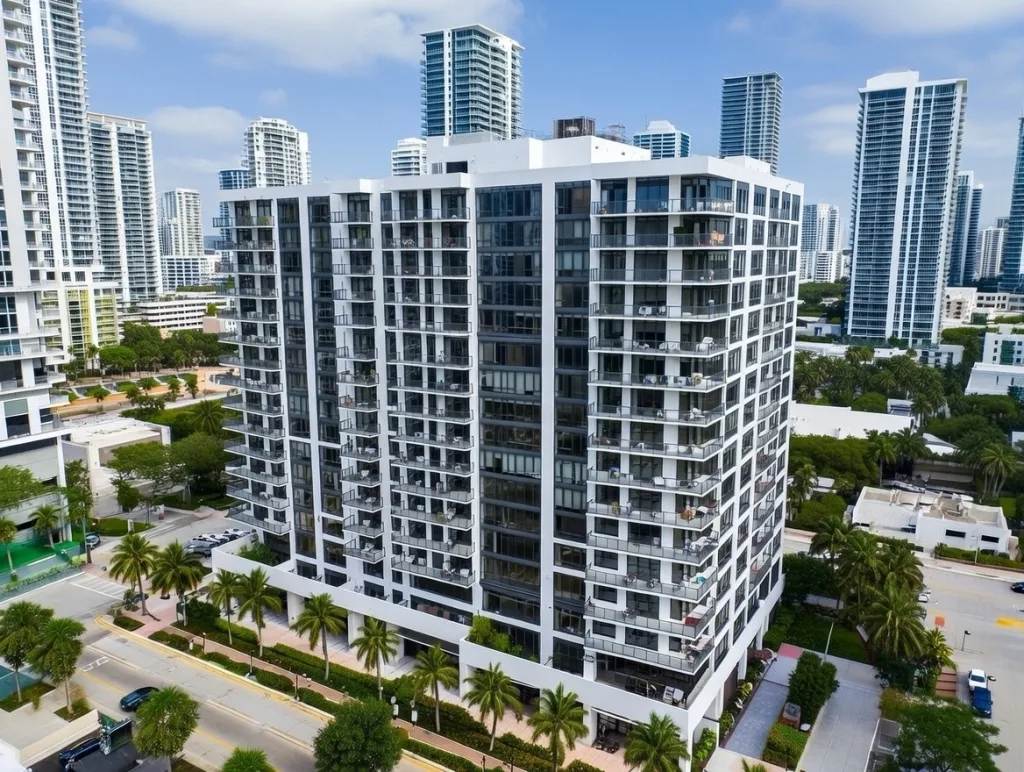
The number of buildings, total units, building height, and shared amenities all affect the time required for inspection and analysis. A mid-rise or high-rise condominium in Miami typically requires more detailed evaluation than a small townhouse association due to structural systems, electrical systems, mechanical systems, and amenities.
Age and Construction Type
Older buildings often require more detailed review of existing conditions, past repairs, and remaining useful life assumptions. Construction type also matters. Concrete-framed coastal buildings behave very differently over time than wood-frame or inland structures.
Scope of Services
Reserve studies are not all the same. Common scopes include:
- Full reserve studies with on-site inspections
- Reserve study updates using prior data
- Limited-scope or component-specific studies such as a Structural Integrity Reserve Study (SIRS)
A full reserve study requires the most effort and analysis. Updates are typically more efficient when reliable prior studies and cost histories are available.
Level of Professional Involvement
Some reserve studies rely heavily on templates and desktop analysis, while others are prepared under the responsible charge of a licensed Professional Engineer. Engineering oversight generally increases cost but also improves accuracy, documentation quality, and long-term usability of the report.
Florida-Specific Conditions
Reserve studies prepared for properties in Florida must account for factors that are less prominent in other regions. These include:
- Coastal exposure and salt air corrosion
- High humidity and moisture-related deterioration
- Hurricane and wind design considerations
- Local building codes and evolving statutory requirements
These conditions are especially relevant in South Florida counties and often require more conservative assumptions and closer inspection of building envelope and structural components.
General Cost Ranges and What They Represent
While exact pricing depends on scope, associations across Florida generally see reserve study fees fall into broad ranges based on complexity:
- Smaller associations with limited components typically fall on the lower end ($1,000–$3,000)
- Mid-sized condominium communities fall in a moderate range ($3,000–$5,000)
- Large, multi-building or high-rise properties tend toward the higher end ($5,000+)
These ranges are intended as general context only. They are not quotes and should not replace a project-specific evaluation.
What the Cost of a Reserve Study Actually Covers
A professionally prepared reserve study is more than a cost estimate. It is a planning document intended to support board decision-making over many years. A well-prepared study typically includes:
- An inventory of major common and limited common elements
- Assessment of useful life and remaining useful life
- Current replacement cost estimates
- Long-term funding projections
- Clear tables and narratives that support budgeting discussions
In Florida, reserve studies also play an important role in demonstrating responsible financial planning and supporting compliance with applicable condominium statutes.
Cost Versus Value for Florida Associations
Boards often focus first on fee comparisons, which is understandable. However, the long-term value of a reserve study is tied to clarity, accuracy, and relevance. A study that underestimates costs, omits key components, or lacks clear assumptions can lead to underfunding and future financial strain.
An effective reserve study should educate board members, provide confidence in planning decisions, and remain useful beyond a single budget cycle.
Final Thoughts
Understanding reserve study cost in Florida starts with understanding what drives it. Property characteristics, scope, professional involvement, and regional conditions all matter. Rather than asking only how much a reserve study costs, boards are better served by asking what level of analysis their community truly needs.
When approached thoughtfully, a reserve study is not just an expense. It is a long-term planning tool that supports financial stability, transparency, and informed governance for condominium and homeowners associations throughout Florida.